Baby Won’t Sleep Through The Night? Try These Sleep Training Methods
Mother & baby
|
March 15, 2026
Exhausted? Pacing the floor at 3 AM with a crying infant? If you are running on empty and desperately need your nights back, it is time for a change. Let's look at proven ways to help your little one finally rest.
Is Your Child Ready For The Change?
Before we look at the exact steps, you need to know the right timing. Most pediatricians agree that you can begin sleep training a baby at the 4-to-6-month mark. By this age, healthy babies typically weigh enough to go through the night without a feeding, and their brains have developed regular sleep cycles. Do not start if your baby is sick, going through a major growth spurt, or traveling.
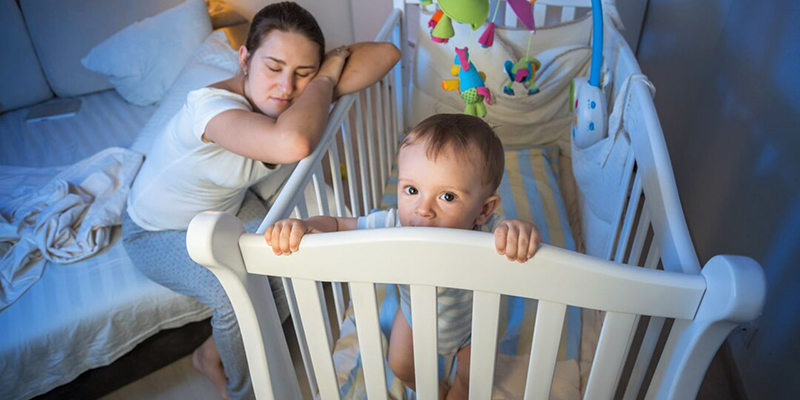
If they are healthy and ready, let's jump straight into the strategies you can use tonight.
Ferber Method Sleep Training: A Step-By-Step Guide
The Ferber method, often called gradual extinction or the check-and-console approach, is a favorite among many parents. It teaches your baby to self-soothe while still letting them know you are nearby.
Here is exactly how to do it:
Step 1: Put Them Down Drowsy But Awake
This is the golden rule. Feed them, burp them, read a book, and put them in the crib before their eyes close. If they fall asleep in your arms and wake up in a crib, they will panic.
Step 2: Leave The Room
Say a short, boring goodnight phrase, like "It's time to sleep" or "I love you." Turn off the light, walk out, and shut the door.
Step 3: Start The Timer
If they start crying, do not run back in immediately. On the first night, wait exactly 3 minutes. Stare at your watch if you have to—3 minutes of crying feels like an hour, but you must wait.
Step 4: The Check-In
After 3 minutes, open the door and walk in. Pat their tummy or rub their head. Say your goodnight phrase again. Do not pick them up. Do not turn on the lights. Keep your voice low and boring. Leave the room after 1 or 2 minutes, even if they are still crying.
Step 5: Increase The Intervals
If they keep crying, wait 5 minutes before your next check-in. The next time, wait 10 minutes. Keep doing 10-minute intervals until they fall asleep.
Step 6: The Next Day
On night two, start with 5 minutes, move to 10, then 12. You are slowly stretching the time they have to practice falling asleep on their own.
Real-world tip: Ferber method sleep training is mentally draining for parents. Put on noise-canceling headphones and watch the baby monitor while you wait for the timer to go off.
The Pick Up, Put Down Method: A Gentler Approach
If letting your baby cry alone in a room makes your stomach tie in knots, try the Pick Up, Put Down method. It is highly physical and requires a lot of patience, but it works very well for babies under 6 months old.
Step 1: Follow The Bedtime Routine
Get them ready for bed and put them in the crib awake.
Step 2: Listen To The Fussing
If your baby is whining or making settling noises, leave them alone. Only step in if they start truly crying.
Step 3: Pick Them Up
If the crying escalates, pick them up and hold them close. Shush them gently.
Step 4: Put Them Down Instantly
The exact second your baby stops crying, put them back in the crib. Do not rock them to sleep. Do not wait until their eyes get heavy. Stop crying = back in the crib.
Step 5: Repeat
If they start crying as soon as their back touches the mattress, pick them up again. Please calm them down and put them back.
You might end up doing 50 squats in one night. It will exhaust you, but it sends a clear message to your child: I am here if you need me, but you still have to sleep in your crib.
The Chair Method: Slowly Fading Away
This sits right in the middle. It gives your baby the comfort of having you in the room without relying on you holding them.
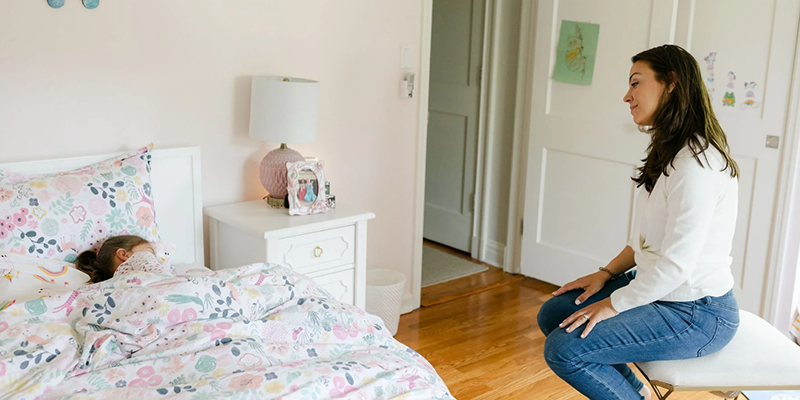
Step 1: Place a hard, uncomfortable chair right next to the crib.
Step 2: Do your bedtime routine, put the baby down awake, and sit in the chair.
Step 3: You can verbally soothe them (Shhh, go to sleep) or occasionally pat the mattress, but do not make eye contact or pick them up. You want to act like a very boring piece of furniture.
Step 4: Stay in the chair until they fall asleep. If they wake up later, go back and sit in the chair until they sleep again.
Step 5: Every two or three nights, move the chair further away. Move it to the middle of the room, then by the door, then out in the hallway.
Eventually, you won't need the chair at all.
Cry It Out (CIO): Fast But Tough
We will keep this brief because it is exactly what it sounds like. You put the baby in the crib awake, shut the door, and do not go back in until morning. (You still feed them if they are young enough to need a night feed, but you do not go in to soothe crying).
It sounds harsh, but many sleep experts support it. Studies show it usually works the fastest—often in just 3 to 4 days. Only pick this route if you have a strong stomach for crying and a good video monitor to ensure your baby is safe, not stuck in the crib bars, and hasn't thrown up.
Now that you know the methods, let's talk about the background work. The method alone will not work unless you address their daily habits.
Practical Rules To Guarantee Success With Any Sleep Training Methods
No matter which path you choose, baby sleep relies heavily on environment and routine. If you skip these steps, you will just be fighting an uphill battle.
1. Watch The Wake Windows
An overtired baby produces cortisol (a Stress hormone), which acts like Caffeine. It makes them fight sleep. Do not wait for your baby to yawn. Look for early signs: staring blankly at the wall, pulling their ears, or having slightly red eyebrows. Put them down the moment you see these signs.
2. Make The Room Pitch Black
Babies cannot be afraid of the dark yet. They do not need nightlights. Buy heavy blackout curtains. Tape the edges to the window frame if light leaks in. Put black tape over the little glowing lights on the baby monitor camera or the air purifier. If you hold your hand in front of your face and can see it clearly, the room is not dark enough.
3. Use A Loud Sound Machine
Wombs are incredibly loud—often as loud as a vacuum cleaner. A silent room is unsettling for a baby. Buy a sound machine, set it to white noise or heavy rain, and turn it up. It should be loud enough to block out the TV downstairs or a dog barking outside. Keep it running all night long.
4. Lock In A Predictable Bedtime Routine
Babies do not know how to tell time. They only know what happens next based on what you just did. Create a 20-minute routine and stick to it every single night.
Example: Bath -> Pajamas -> Feed -> Read one book -> Sleep sack -> Crib.
Doing this signals their brain that it is time to shut down.
5. Check The Temperature
A hot baby will wake up screaming. Keep the room cooler than you think—around 68°F to 72°F (20°C to 22°C). Dress them in a diaper, simple pajamas, and a sleep sack. Feel the back of their neck; if it is sweaty, they are too hot.
Final Thoughts
Teaching your child to sleep is not about being harsh; it is about giving them a life skill they need to grow. Pick a method that fits your family's personality, stick to the plan for at least a week, and do not give up just because night two is hard. The tears will pass, and soon, your entire house will be resting properly again. Stay strong, trust the process, and sleep well!
Just For You

How To Find The Best Local Food Spots
May 24, 2026

Traveling Alone These Are the Best Places to Travel Solo in 2026
April 19, 2026

Best Bio-Based Biodegradable Baby Wipes for Sensitive Skin Kids
March 20, 2026

HVAC Certification Guide: How To Get Qualified and What It Costs
March 19, 2026

How to Plan a Family Vacation on a Tight Budget without the Stress
March 17, 2026

Modern Tea Business Insights: Functional, Innovative, And Health-Forward
March 11, 2026
Recommended For You

How To Plan The Perfect Road Trip Itinerary

Milk Fragrances: The Comforting Scent Trend to Know Now

Can a Perfume Really Support Your Mood? Here’s What to Know
HVAC Certification Guide: How To Get Qualified and What It Costs

Detailed Look At HVAC Training Programs For Aspiring Technicians